
PEAR
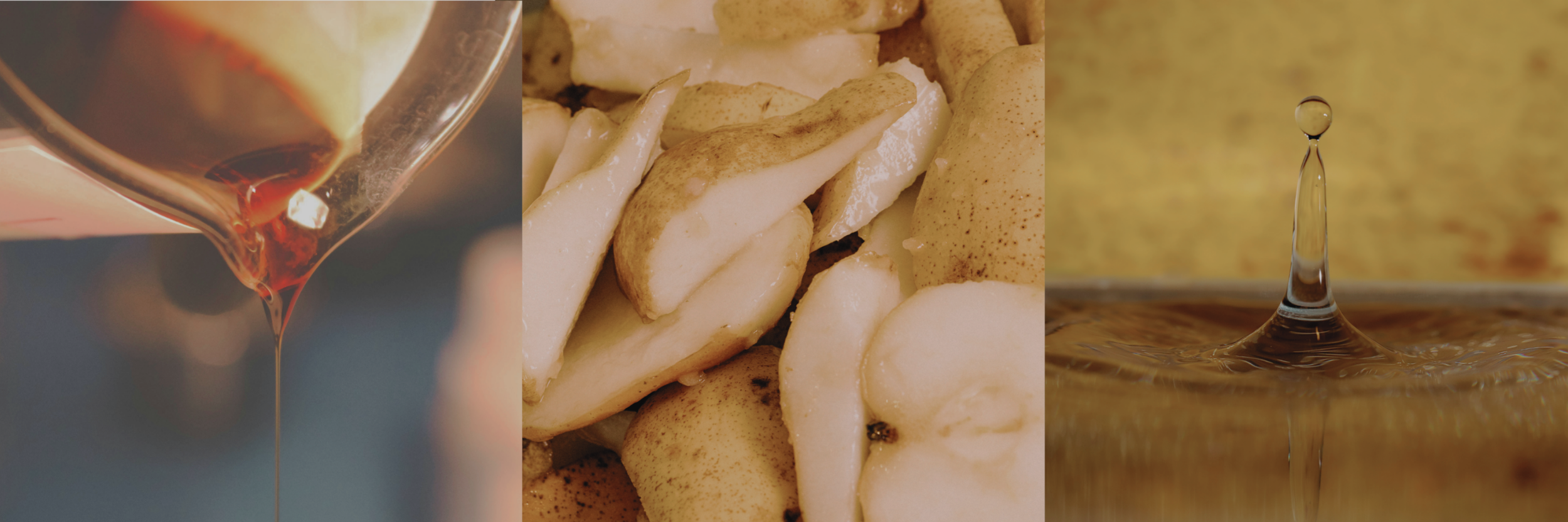
“The Quiet Elegance of Pear”
There is something unmistakably comforting about the scent of a ripe pear.
It is not loud or overly sweet. Instead, it arrives softly – fresh, clean, and delicate, like cool morning air drifting through an orchard at the end of summer. Its fragrance carries a sense of calm: subtle sweetness, tender fruit, and a quiet brightness that feels both familiar and soothing.
Pear is often overlooked in the world of fragrance, yet in incense making, it offers something truly special. It does not demand attention. It creates space for stillness.
A Fruit with Deep Roots
Pear has been cherished for centuries across many cultures, not only as food, but as a symbol of health, purity, and gentle abundance.
In China, pears have long been associated with nourishment and balance. Traditional practices often used pears for their cooling and soothing qualities, especially in seasonal wellness rituals. Their soft sweetness represented comfort, restoration, and quiet care.
Across East Asia, the pear tree itself is admired for resilience and grace. Its blossoms mark renewal, while its fruit carries a sense of peaceful prosperity.
This emotional connection matters in incense.
Because incense is never only about scent, it is about atmosphere, memory, and the feeling a fragrance leaves behind.
The Emotional Impact of Pear
Some ingredients energize. Some seduce. Pear does something different, it settles.
Its fragrance creates a sense of ease. It feels clean without sharpness, sweet without heaviness, and warm without becoming overwhelming. It can soften a room, making space feel calmer, slower, and more intentional.
This is why pear works beautifully in incense.
Rather than sitting on top of the blend like a strong perfume note, it helps round the composition. It smooths edges. It supports woods, resins, and herbs by adding a gentle, almost invisible harmony.
What Makes Pear Special in Incense
Not every fruit translates well into incense. Many become too sharp, too sugary, or disappear completely when burned.
Pear is different because of its balance.
Its natural aroma is clean and gentle, with enough moisture and soft, fine flesh to integrate beautifully into traditional incense materials. When handled correctly, pear does not overpower sandalwood, agarwood, or herbal blends but rather becomes part of the structure.
It adds body rather than volume. This subtlety is exactly what makes it valuable. Pear is not there to be noticed first. It is there to make everything else feel more complete.
How Pear Can Be Used in Daily Life
Pear incense is ideal for moments that call for quiet focus and emotional softness.
Because the scent is gentle, it does not dominate the room. Instead, it creates a soft background presence, something felt more than announced.
It is especially suited for people who find strong floral or heavily perfumed incense overwhelming.
Our Approach: Not Every Pear Works
At our studio, we believe ingredient selection matters as much as technique.
Not every pear is right for incense.
We choose pears that smell clean and gentle, with enough juice and soft, fine flesh. The goal is never strong sweetness. We look for balance, softness, and purity, qualities that will support the incense rather than compete with it.
There are several ways pear can be used, each creating a slightly different result.
Method One: Steaming the Pear
This is an old Chinese method, and one of the most beautiful.
Ripe pears are selected carefully. The top is cut off, the core is removed, and fine wood powder is packed inside. The top is placed back on, and the pear is steamed. After cooling, the process is repeated three times. Only then is the peel removed.
The softened pear flesh is mixed into incense powder, kneaded by hand, and shaped into incense sticks.
This repeated steaming changes the fruit completely. It softens the flesh, reduces excess sweetness, and allows the pear to merge naturally into the wood.
Instead of smelling fruity, it becomes mellow, smooth, and deeply integrated.
Method Two: Using Pear Juice – our method
Another approach uses fresh pear juice.
The pears are peeled, cored, and pressed. The juice is then carefully filtered and used in place of water during incense making.
It is mixed directly into the wood powder to form the incense paste. This method creates a lighter effect.
The scent does not read as a clear pear note, but as a soft roundness, something smooth and gentle resting underneath the wood.
Method Three: Using Pear Oil
Pear oil can also be added directly to incense powder in very small amounts. This requires restraint. Too much oil can overwhelm the natural composition, but in careful proportions, it can lift the blend and add brightness without becoming artificial. Used sparingly, it offers a final touch of softness.
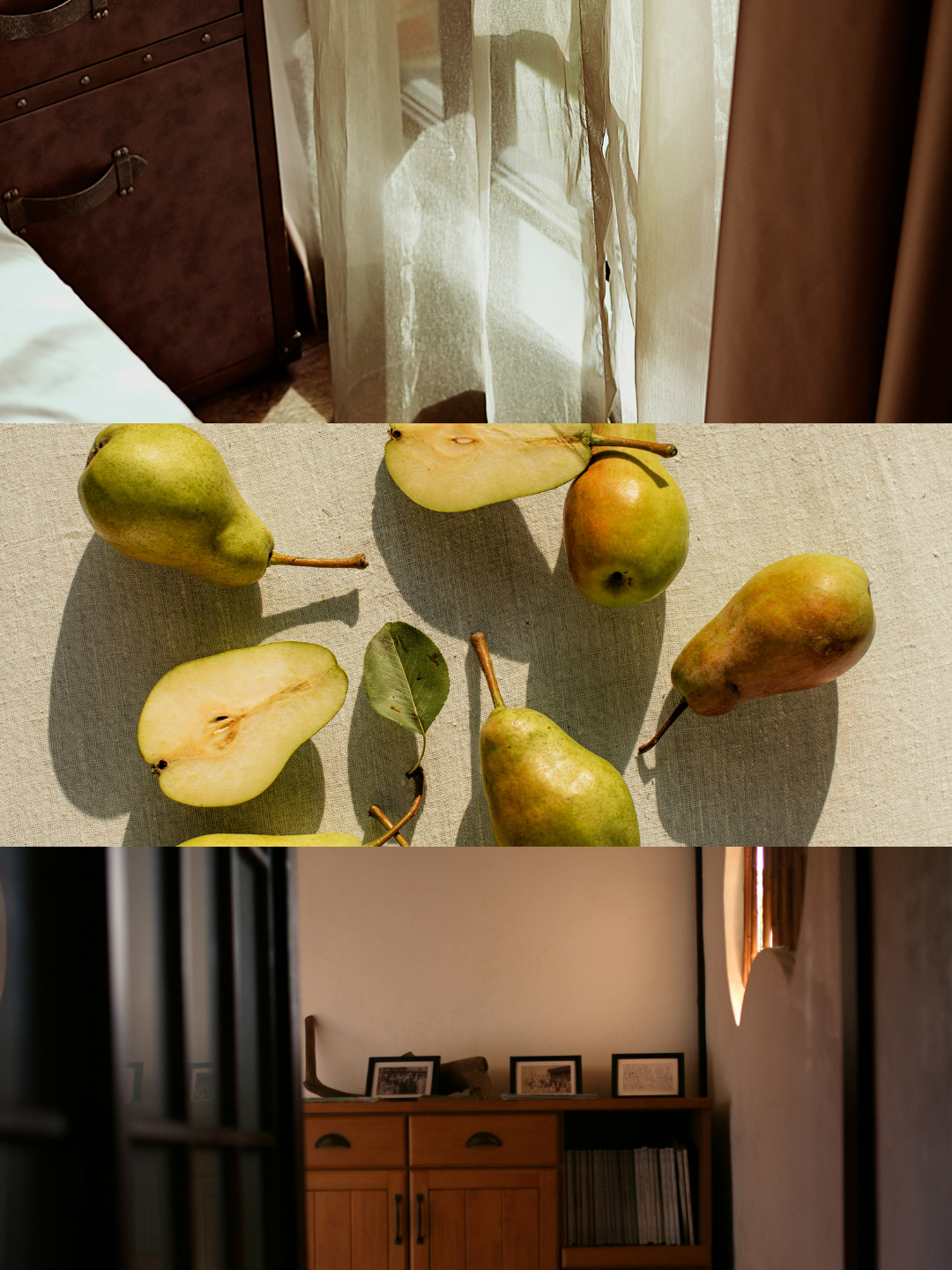
Sweet Wood, Subtle Fruit Incense
Sweet smoke in silk, pear in the air, velvet wood — a lingering warmth upon the skin. Gentle yet indulgent, it will not disappoint if you are drawn to sweetness with a soft floral embrace.
: 100% plant-based, cruelty-free, and pet-safe
: Ingredients: Aged Indian Sandalwood, Pear, Hainan Agarwood
Available in two editions:
Classic Edition · Burn time 30–45 min per stick · ~23 hrs total
40 sticks (14g), ⌀ 1.5 mm, 21 cm
Petite Edition · Burn time 15–20 min per stick · ~9 hrs total
32 sticks (5g), ⌀ 1.5 mm, 10.5 cm
From the Scented Essence series — incense that lingers like memory.
