
LAKAWOOD
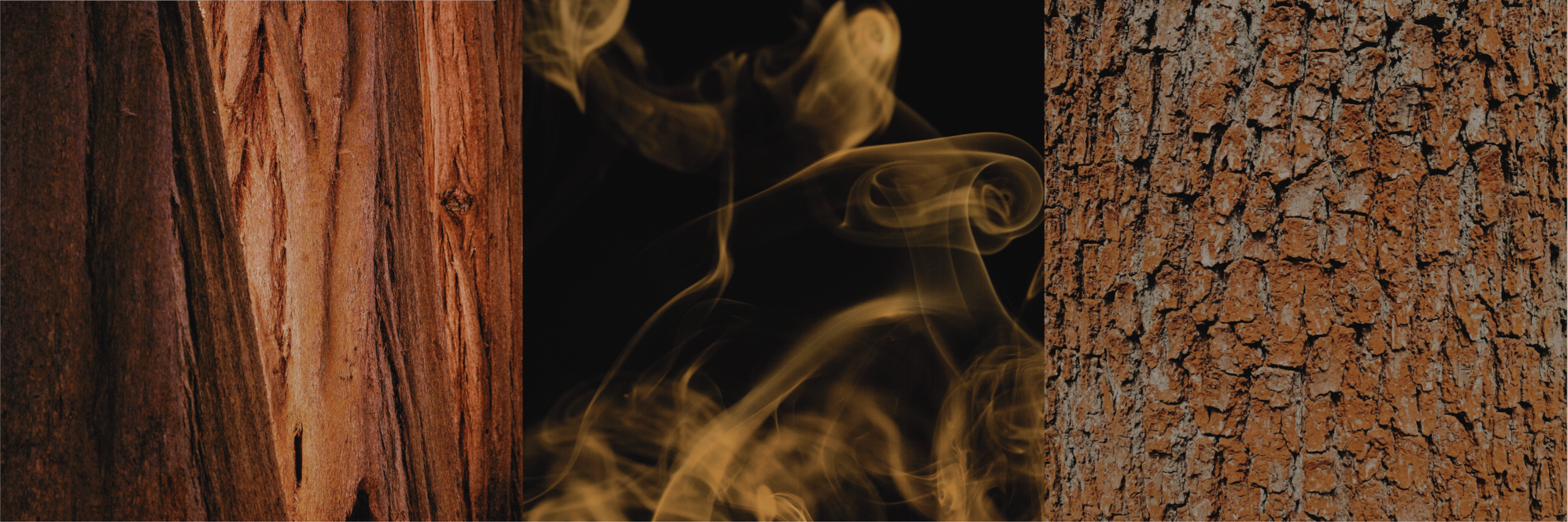
“Lakawood settles in layers, drawing you inward.”
The scent of lakawood fills the air slowly.
At first, it is dry and woody, almost reserved. Then, as the warmth builds, something deeper begins to unfold. A soft sweetness emerges, touched with earth and a faint balsamic richness, like aged wood resting in still air. It is grounding, not heavy; warm, but never overpowering.
Origins and Cultural Significance
Lakawood has long been used in traditional incense-making across parts of East Asia, particularly in Chinese incense culture.
Historically, it was valued as a supporting material, rarely the centerpiece, but essential to the overall composition. Artisans understood that certain woods were not meant to stand alone, but to shape how other ingredients behaved. Lakawood was one of these.
It was used to deepen blends, extend burn quality, and create a more cohesive aromatic experience. In classical incense texts and practices, materials like lakawood were appreciated not for boldness, but for their ability to harmonize.
This quiet role is part of its identity, as it is an ingredient of balance, not display.
Benefits and Emotional Impact
Lakawood has a stabilizing presence.
Its scent feels grounded and slightly warm, with a gentle sweetness that softens its woody base. It can help create a sense of emotional steadiness, less about lifting the mood, and more about holding it in place.
Where brighter materials can feel stimulating, lakawood feels centering.
It is particularly suited for moments when the mind feels scattered or overstimulated. The aroma encourages a slower pace, allowing thoughts to settle without forcing stillness.
There is a quiet reassurance in it.
A sense of being anchored without feeling weighed down.
What Makes Lakawood Incense Special
Lakawood is not typically used for its top notes.
What makes it special is how it behaves within a blend.
It has a natural ability to round sharper ingredients, soften overly dry woods, and give body to lighter aromatics. When burned, it releases its scent gradually, creating a smooth, continuous profile rather than sharp peaks.
It also contributes to the texture of the incense itself.
The fine structure of the wood allows it to bind well with other powders, improving the consistency of the incense paste and helping it burn evenly. This makes it both a functional and aromatic component, something not all materials can offer.
Lakawood works behind the scenes, but without it, many blends would feel incomplete.
How to Use It in Daily Life
Lakawood-based incense is ideal for creating a calm, grounded environment without drawing too much attention to the scent itself.
It works well during:
Focused work or study sessions
Quiet evenings at home
Journaling or reflective practices
Gentle movement like stretching or slow yoga
Spaces where you want warmth without heaviness
Because it is subtle, it can be burned more frequently than stronger incense types. It supports the atmosphere rather than defining it.
Our Approach
Not all lakawood carries the same character.
We select wood that has a clean, dry profile with a naturally soft sweetness, never overly smoky or harsh. The goal is to preserve its quiet depth while ensuring it integrates seamlessly with other ingredients.
In our process, lakawood is treated as both a structural and aromatic element.
It is finely milled to achieve the right texture, allowing it to bind well with other powders and create a smooth, workable paste. This ensures an even burn and a consistent release of fragrance.
We use it with intention, not as filler, but as a foundation.
Because in incense, what supports the blend is just as important as what defines it.
Lakawood reminds us that not every ingredient needs to stand in the spotlight.
